
 Pay Online

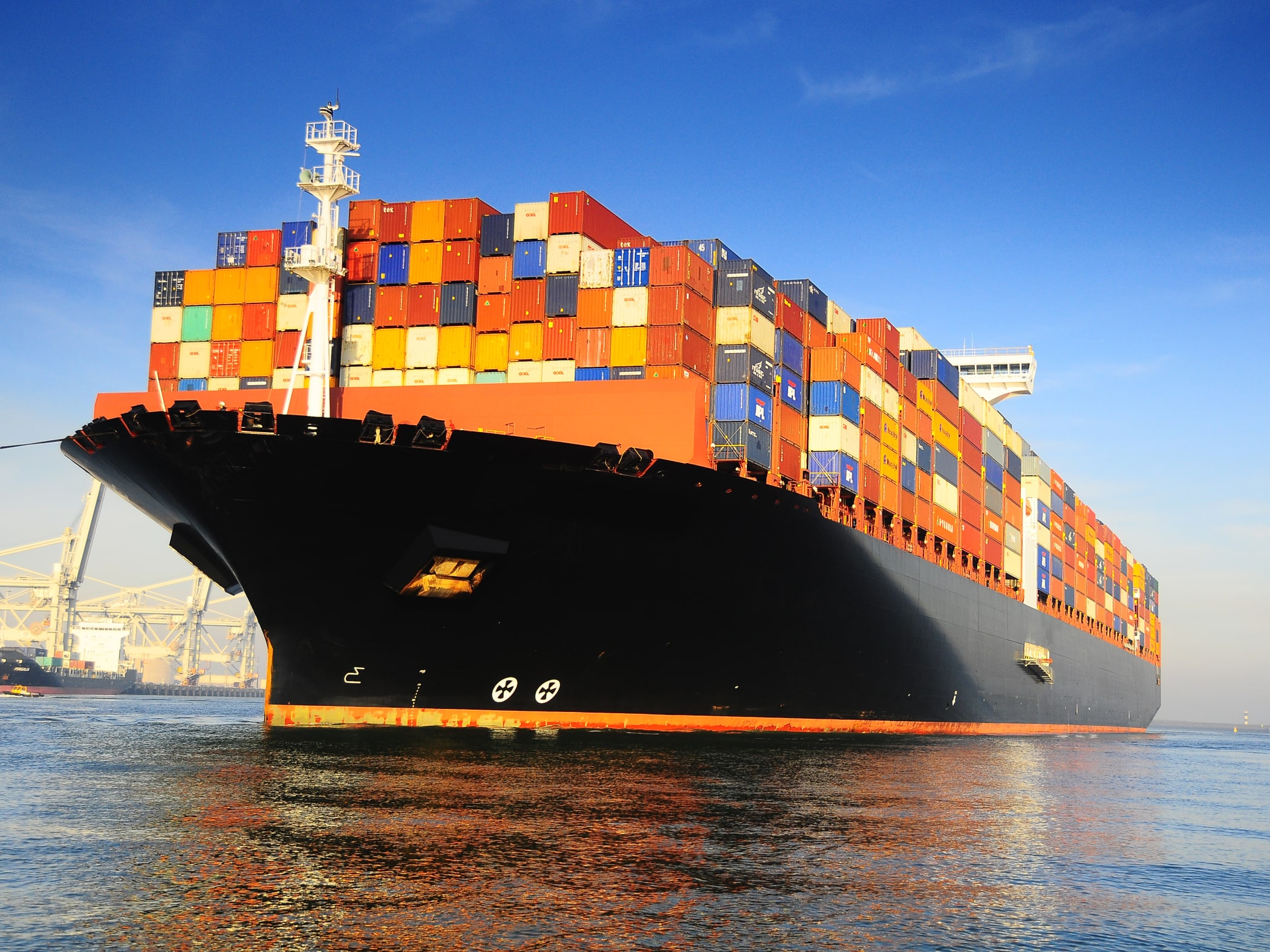
Global trade in 2026 is evolving rapidly, driven by the expansion of e-commerce, shifting supply chains, and rising demand for flexible logistics. One of the biggest winners in this transformation is LCL consolidation services 2026, which are becoming the preferred solution for small businesses and online sellers.
As freight costs fluctuate and inventory strategies change, companies are increasingly turning to less than container load shipping as a smarter and more adaptable shipping model. This shift reflects a broader transformation in global logistics toward efficiency and scalability.
What is Less Than Container Load Shipping?
Less than container load shipping (LCL) is a method where shipments from multiple businesses are combined into a single container. Each shipper pays only for the space they use, making it an economical option for smaller cargo volumes.
In contrast, Full Container Load (FCL) requires a single shipper to book an entire container, regardless of whether it is fully utilized. In 2026, LCL is gaining popularity because it allows businesses to ship efficiently without needing large volumes.
LCL vs FCL Benefits: Why LCL is Gaining Ground
Understanding LCL vs FCL benefits helps explain why more businesses are choosing consolidation services.
1. Cost Efficiency
LCL is a form of cost-effective cargo shipping, as businesses pay only for the cargo space they occupy. This makes it ideal for startups and SMEs managing tight budgets.
2. Shipment Flexibility
LCL allows companies to ship smaller quantities more frequently, aligning better with modern demand patterns.
3. Reduced Inventory Costs
Frequent shipments reduce the need for large storage spaces, improving cash flow and inventory management.
4. Market Expansion
Businesses entering new international markets can test demand using smaller shipments without significant financial risk.
5. Sustainability
By optimizing container space usage, LCL contributes to more efficient and environmentally responsible shipping.
While FCL remains suitable for high-volume shipments, LCL stands out for its flexibility and affordability.
Freight Consolidation Trends in 2026
Several freight consolidation trends are driving the rapid growth of LCL services.
Digital freight platforms now offer instant booking, real-time tracking, and transparent pricing, making LCL more accessible than ever. Artificial intelligence is also improving route planning and container utilization, reducing delays and costs.
Another major trend is the shift toward smaller, more frequent shipments rather than large bulk orders. This aligns perfectly with the LCL model. Additionally, the rise of regional trade hubs is strengthening global consolidation networks and improving delivery efficiency.
These developments are making LCL faster, more reliable, and increasingly attractive for businesses of all sizes.
Small Business International Shipping Simplified
For many companies, small business international shipping has historically been complex and expensive. LCL is changing that by lowering barriers to entry in global trade.
In 2026, small businesses can:
• Ship internationally without large capital investment
• Access competitive freight rates through shared containers
• Expand into new markets with reduced risk
• Scale operations gradually
This accessibility is empowering startups and regional businesses to compete globally. A small exporter can now send goods overseas in manageable quantities, avoiding the financial strain of bulk shipping.
E-commerce Logistics Solutions Powered by LCL
The rapid growth of online retail has significantly increased demand for efficient e-commerce logistics solutions, and LCL plays a central role in meeting these needs.
E-commerce businesses rely on flexibility, speed, and cost control—areas where LCL excels.
Key Benefits for E-commerce:
1. Faster Inventory Turnover
Smaller shipments allow frequent restocking, helping businesses avoid overstocking or stockouts.
2. Lower Shipping Costs
LCL supports cost-effective cargo shipping, which is crucial for maintaining healthy profit margins.
3. Multi-Origin Consolidation
Sellers sourcing products from different suppliers can combine shipments into a single container.
4. Reduced Risk
Shipping smaller quantities minimizes losses in case of delays or demand fluctuations.
As cross-border e-commerce continues to grow, LCL is becoming a backbone of modern supply chains.
Technology Enhancing LCL Consolidation Services
Technology is transforming LCL consolidation services 2026, making them more efficient and reliable.
Real-time tracking systems provide visibility across the shipping journey, while automated warehouses speed up cargo handling and reduce errors. Digital documentation and blockchain technology are streamlining customs processes, minimizing paperwork and delays.
Predictive analytics is another key innovation, enabling logistics providers to forecast demand and optimize container usage. These advancements are addressing traditional concerns such as longer transit times and handling risks.
Challenges in LCL Shipping
Despite its advantages, LCL shipping still has some limitations. Transit times can be slightly longer due to the consolidation process, and increased handling may raise the risk of cargo damage. Coordination between multiple shipments can also add complexity.
However, ongoing technological improvements and better infrastructure are steadily reducing these challenges.
The Future of Cost-Effective Cargo Shipping
The future of cost-effective cargo shipping lies in flexibility, efficiency, and digital integration. LCL is at the center of this transformation.
Emerging trends include automation in consolidation facilities, adoption of sustainable shipping practices, and expansion of global LCL networks. Integration with multimodal transport systems will further enhance delivery speed and efficiency.
As global trade becomes more dynamic, businesses will prioritize adaptability over volume, making LCL an essential logistics strategy.
Conclusion
The growth of LCL consolidation services 2026 reflects a major shift in global shipping practices. With its flexibility, affordability, and scalability, less than container load shipping is becoming the preferred choice for modern businesses.
From understanding LCL vs FCL benefits to leveraging freight consolidation trends, companies are recognizing the advantages of shared logistics. For small business international shipping and e-commerce logistics solutions, LCL offers a powerful way to compete in the global market.
As innovation continues to improve efficiency and reliability, LCL will remain a cornerstone of cost-effective cargo shipping, helping businesses of all sizes succeed in an increasingly competitive world.