
 Pay Online


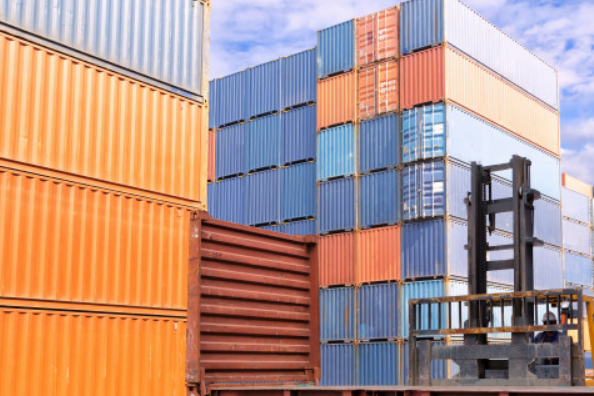
In today’s interconnected economy, businesses depend on reliable and efficient transportation networks to move goods across countries and continents. Sea Freight Forwarding Services play a vital role in international trade by providing a cost-effective solution for transporting large volumes of cargo. From arranging container shipments and documentation to customs clearance and final delivery, professional freight forwarders simplify the entire shipping process.
For importers, exporters, manufacturers, traders, and retailers, choosing the right Freight Forwarding Services can significantly improve supply chain efficiency while reducing transportation costs.
What Is Sea Freight Forwarding?
Sea Freight Forwarding is the process of coordinating the transportation of goods by ocean from the origin country to the destination country. A freight forwarder acts as an intermediary between the shipper and various service providers, including shipping lines, ports, customs authorities, transport companies, warehouses, and insurance providers.
Instead of managing every stage of international shipping independently, businesses can rely on a freight forwarding company to coordinate the complete movement of their cargo.
A professional freight forwarder typically handles:
• Cargo booking and container arrangements
• Export documentation
• Port and terminal coordination
• Customs clearance
• Bill of Lading preparation
• Cargo tracking
• Warehousing and consolidation
• Inland transportation
• Delivery to the final destination
This integrated approach makes Global Shipping more organized, transparent, and manageable.
Why Choose Ocean Freight?
Ocean Freight remains one of the most economical transportation options for international cargo, particularly for large and heavy shipments. Although sea transportation is generally slower than air freight, its significantly lower cost makes it ideal for businesses that can plan their shipments in advance.
Sea freight is particularly suitable for:
• Bulk commodities
• Machinery and industrial equipment
• Raw materials
• FMCG products
• Consumer goods
• Automotive components
• Agricultural products
• Electronics
• Project cargo…
Businesses can select between Full Container Load (FCL) and Less than Container Load (LCL), depending on the quantity and nature of their cargo.
FCL and LCL Shipping
FCL (Full Container Load) is used when a shipper has sufficient cargo to utilize an entire container. The container is dedicated to one shipment, offering greater control over the cargo and generally faster handling.
LCL (Less than Container Load) is suitable for smaller shipments that do not require a complete container. Cargo from multiple customers is consolidated into one container, allowing businesses to pay only for the space they use.
Selecting the right shipping method can help companies optimize logistics expenses and improve delivery efficiency.
The Role of a Freight Forwarder
A reliable freight forwarder does much more than simply book space on a vessel. They coordinate multiple stages of the international logistics process and help businesses avoid costly delays.
An experienced Logistics Solutions provider understands shipping regulations, port procedures, customs requirements, documentation, and international trade practices. Their expertise can be particularly valuable when shipping to unfamiliar markets.
Freight forwarders also help customers select appropriate shipping routes, carriers, container types, and transit options based on their cargo requirements.
Customs Clearance and Documentation
International shipping involves extensive documentation and regulatory compliance. Incorrect or incomplete documents can result in customs delays, additional storage charges, penalties, or shipment disruptions.
Common documents associated with sea freight include:
• Commercial Invoice
• Packing List
• Bill of Lading
• Certificate of Origin
• Import and Export Licences, where applicable
• Insurance documents
• Customs declarations
• Product-specific certificates
A professional Freight Forwarding Services provider can coordinate these requirements and ensure that documentation is prepared accurately.
How Sea Freight Forwarding Reduces Costs
Effective freight management can significantly reduce overall logistics expenses. Freight forwarders can consolidate shipments, negotiate competitive rates with carriers, recommend economical routes, and optimize container utilization.
Businesses can further reduce costs by:
1. Planning shipments in advance.
2. Choosing FCL or LCL based on cargo volume.
3. Optimizing packaging and container space.
4. Comparing shipping routes and carrier options.
5. Avoiding unnecessary demurrage and detention charges.
6. Preparing customs documents correctly.
7. Coordinating inland transportation efficiently.
These measures can make Global Shipping more predictable and cost-efficient.
Technology in Modern Sea Freight
Technology has transformed the freight forwarding industry. Modern logistics companies use digital platforms to provide shipment tracking, electronic documentation, automated notifications, freight quotations, inventory visibility, and real-time shipment updates.
Digital Logistics Solutions allow businesses to monitor cargo from origin to destination and make better decisions based on shipment status and estimated arrival times.
Technology also improves communication between exporters, importers, freight forwarders, shipping lines, customs agents, warehouses, and transport operators.
Choosing the Right Sea Freight Forwarding Partner
Selecting the right logistics partner is critical for successful international shipping. Businesses should consider the forwarder’s experience, global network, carrier relationships, customs expertise, technology infrastructure, service coverage, and customer support.
A good freight forwarder should provide transparent pricing and clearly explain freight charges, documentation fees, port charges, customs-related costs, and inland transportation expenses.
The right partner can become an important part of a company’s supply chain rather than simply serving as a transportation intermediary.
Conclusion
Sea Freight Forwarding Services provide businesses with a practical and economical way to manage international cargo transportation. From container booking and customs clearance to documentation, cargo tracking, warehousing, and final delivery, professional freight forwarders can coordinate the entire shipping process.
With the right combination of Sea Freight Forwarding, Ocean Freight, Global Shipping, and Logistics Solutions, businesses can reduce transportation costs, improve supply chain visibility, minimize delays, and expand confidently into international markets.
As global trade continues to grow, partnering with an experienced freight forwarding company can provide businesses with the expertise and infrastructure needed to move cargo efficiently across borders.