
 Pay Online

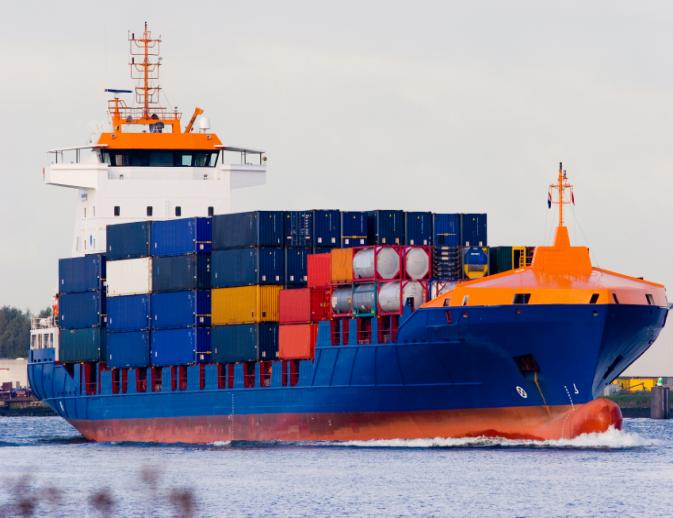
Global trade is becoming increasingly competitive in 2026, and businesses are looking for smarter ways to control logistics expenses. One of the most effective solutions is the combination of LCL consolidation services and artificial intelligence. By using AI logistics, businesses can optimize cargo space, improve shipment planning, reduce delays, and achieve significant savings in international transportation.
Less than Container Load (LCL) shipping has traditionally been a cost-effective option for businesses that do not have enough cargo to fill an entire container. However, modern AI-powered freight forwarding is making LCL shipping even more efficient by intelligently matching shipments, optimizing routes, forecasting demand, and improving freight visibility.
What Are LCL Consolidation Services?
LCL shipping allows multiple businesses to share space inside a single shipping container. Instead of paying for an entire container, each shipper pays for the volume or weight occupied by their cargo.
With freight consolidation, shipments from different exporters are combined at a warehouse or consolidation center and transported together. At the destination, the container is deconsolidated before individual shipments are delivered.
This shared container shipping model is particularly useful for small and medium-sized businesses that regularly import or export smaller quantities.
In 2026, technology is transforming this traditional process. AI systems can analyze cargo characteristics, available container capacity, shipping schedules, destination requirements, and historical LCL freight rates to determine the most efficient consolidation strategy.
How AI Is Reducing LCL Shipping Costs
1. Intelligent Cargo Consolidation
One of the biggest advantages of AI is its ability to identify compatible shipments automatically. AI-powered platforms can analyze thousands of shipments and determine which cargo can be consolidated based on destination, volume, weight, delivery deadlines, and handling requirements.
This improves container consolidation and helps freight forwarders use available space more efficiently. Higher container utilization means lower transportation costs per shipment.
2. Optimized Routing and Carrier Selection
International shipping involves multiple variables, including ocean schedules, port congestion, transshipment points, fuel costs, and carrier pricing.
AI can evaluate these variables in real time and recommend efficient routes and carriers. This helps businesses reduce unnecessary transportation expenses while maintaining delivery schedules.
For companies managing regular ocean freight services, AI-driven route optimization can become an important part of their overall supply chain optimization strategy.
3. Better Freight Rate Management
Freight prices can fluctuate depending on demand, capacity, fuel costs, seasonality, and port conditions. AI can analyze historical and current market information to help freight forwarders identify competitive shipping options.
For businesses, this can result in more predictable LCL freight rates and better purchasing decisions.
AI-based systems can also compare different transportation options, helping companies determine whether LCL, FCL, air freight, rail, or a multimodal logistics solution provides the best overall value.
AI Improves Freight Visibility
Another major benefit of AI-powered logistics is improved visibility.
Modern cargo tracking systems can combine information from carriers, warehouses, ports, customs systems, GPS devices, and other data sources. AI can then identify potential delays and provide alerts before they significantly affect delivery.
This creates better freight visibility throughout the transportation process.
For importers and exporters, better visibility means they can plan inventory, production, warehousing, and customer deliveries more effectively.
Smarter Warehouse Consolidation
Warehousing is an important component of LCL logistics. Cargo from different suppliers may need to be received, inspected, stored, consolidated, labelled, and dispatched.
AI can optimize warehouse operations by predicting incoming cargo volumes and determining the most efficient way to organize shipments.
Warehouse consolidation can reduce unnecessary handling, storage requirements, and transportation movements. It also supports faster cargo processing and improves overall shipping efficiency.
AI and Customs Clearance
Customs procedures can create delays and additional costs when documentation contains errors or information is incomplete.
AI-powered systems can assist with document processing, data validation, HS-code classification, shipment documentation, and compliance checks. When integrated with customs clearance services, these technologies can reduce manual work and help identify potential documentation problems earlier.
This is particularly valuable for businesses involved in high-volume import export logistics.
LCL vs FCL Shipping: Which Is More Cost-Effective?
The decision between LCL vs FCL shipping depends largely on cargo volume, delivery requirements, destination, and shipping frequency.
FCL can be more economical when a business has enough cargo to fill a container. However, when shipment volumes are smaller, LCL can provide a more affordable alternative because companies pay only for the space they use.
AI can make this decision easier by analyzing shipment history and calculating the estimated total logistics cost for different transportation options.
Sustainability Through Smarter Logistics
Cost reduction is not the only advantage of AI-powered consolidation. Better container utilization can also reduce the number of containers required to transport the same amount of cargo.
This can contribute to lower fuel consumption and emissions per unit of cargo, supporting more sustainable logistics.
AI can therefore help companies achieve both financial and environmental objectives while improving their international supply chains.
The Future of Global Freight Forwarding
The combination of AI, automation, data analytics, and digital platforms is reshaping global freight forwarding. Businesses increasingly expect real-time visibility, faster communication, transparent pricing, and flexible international freight solutions.
AI-powered digital freight forwarding platforms can connect shippers, freight forwarders, carriers, warehouses, customs providers, and other logistics partners through a single digital ecosystem.
As global trade continues to grow, companies that adopt smart logistics solutions will be better positioned to manage transportation costs and respond quickly to changing market conditions.
Conclusion
In 2026, AI-powered LCL consolidation services are becoming an important tool for reducing global shipping costs. From intelligent cargo consolidation and route optimization to freight rate management, warehouse operations, cargo tracking, and customs clearance, AI is improving almost every stage of the LCL shipping process.
For businesses seeking cost-effective shipping solutions, LCL combined with AI-driven logistics can provide greater efficiency, improved visibility, and more competitive international shipping.
The future of B2B logistics is increasingly intelligent, connected, automated, and data-driven—and AI-powered LCL consolidation is playing a major role in that transformation.