
 Pay Online

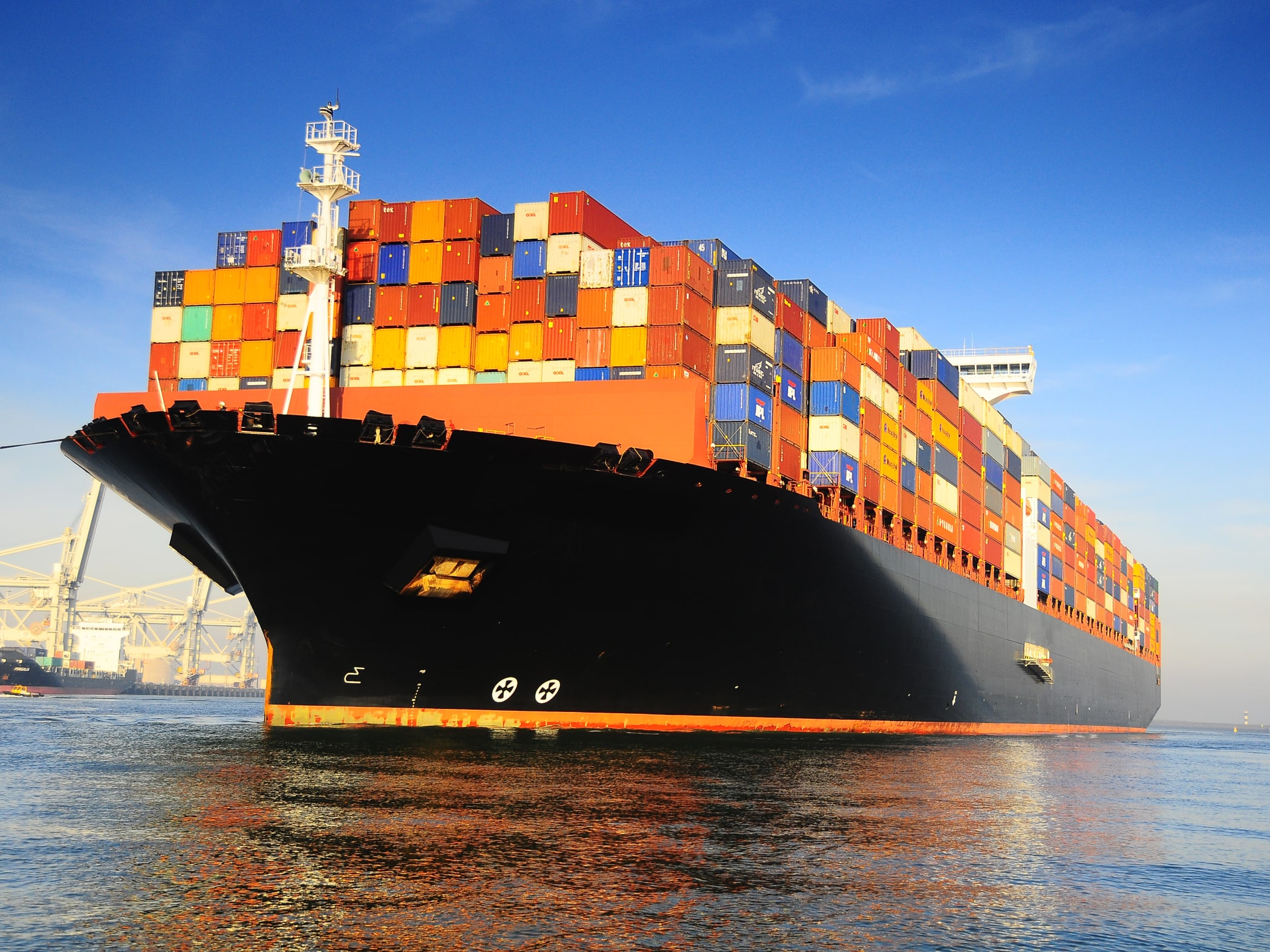
Global trade is entering a new era of technology-driven logistics. In 2026, sea freight forwarding services are increasingly using artificial intelligence (AI), predictive analytics, automation, and real-time data to make international shipping faster, more transparent, and cost-efficient.
For businesses moving goods across international markets, traditional sea freight forwarding models are evolving into intelligent logistics networks. AI is helping freight forwarders predict delays, optimize routes, manage containers, control costs, and provide better shipment visibility from origin to destination.
The Evolution of Ocean Freight Forwarding
Sea transportation remains a critical component of international trade. From raw materials and industrial equipment to consumer products, millions of containers move through global ports every year.
However, ocean freight forwarding involves numerous variables, including vessel schedules, port congestion, weather conditions, customs procedures, fuel costs, container availability, and changing ocean freight rates.
Modern AI logistics platforms can analyze large volumes of data to identify patterns and predict potential disruptions. This enables freight forwarding companies to move from reactive problem-solving to proactive freight management.
Predictive Analytics for Smarter Shipping
Predictive analytics is one of the most valuable applications of AI in international sea freight.
By analyzing historical shipment information, vessel schedules, port performance, weather patterns, congestion levels, and other logistics data, AI systems can estimate the likelihood of delays.
For example, if an AI system identifies increasing congestion at a particular port, a freight forwarding company can evaluate alternative ports, routes, or transshipment options before the shipment is significantly affected.
This predictive approach improves shipping efficiency and helps businesses strengthen supply chain resilience.
Optimizing Container Shipping
Container availability and utilization directly influence logistics costs. AI can analyze shipment volumes and identify the most suitable transportation method, whether FCL shipping, LCL shipping, or a combination of transportation modes.
For FCL shipments, AI can help optimize container allocation and routing. For LCL shipments, intelligent systems can identify compatible cargo and improve consolidation.
This supports better freight cost optimization while reducing unnecessary container movements.
Real-Time Cargo Tracking and Shipment Visibility
One of the biggest changes in modern ocean cargo shipping is the growth of real-time visibility.
Businesses increasingly want to know where their cargo is, when it is expected to arrive, and whether any problems are affecting the shipment.
AI-powered cargo tracking systems can collect information from carriers, ports, warehouses, GPS devices, and logistics platforms. Predictive models can then analyze this information and provide estimated arrival times and early warnings.
Improved shipment visibility allows companies to coordinate inventory, production, warehousing, and customer deliveries more effectively.
Automation in Freight Forwarding
Shipping automation is reducing the amount of manual work involved in international logistics.
AI-powered systems can automate repetitive activities such as shipment booking, document processing, status updates, quotation management, and exception alerts.
This is particularly valuable for businesses handling large numbers of shipments. Automation can reduce administrative errors and allow logistics professionals to focus on higher-value activities such as customer service and strategic freight management.
Smarter Customs Clearance
Customs clearance is another area where technology is making a significant difference.
International shipments require accurate commercial invoices, packing lists, classifications, declarations, and other documentation. Errors can result in delays, penalties, and additional costs.
AI-based systems can assist with document verification, data validation, classification support, and compliance checks. When integrated with customs clearance services, these capabilities can make import export logistics more efficient.
Faster documentation and better compliance can help cargo move smoothly from the port to its final destination.
Port-to-Port and Door-to-Door Shipping
Modern customers increasingly expect complete logistics solutions rather than basic port to port shipping.
Technology enables freight forwarders to coordinate ocean transportation with trucking, rail, warehousing, customs, and final-mile delivery.
This supports integrated door to door shipping and multimodal transportation, allowing businesses to manage their entire supply chain through a single logistics partner.
Digital platforms can provide customers with centralized information covering every stage of the shipment.
AI and Sustainable Shipping
Sustainability is becoming increasingly important in maritime logistics.
AI can help optimize routes, improve container utilization, reduce empty movements, and identify more efficient transportation options. These improvements can reduce fuel consumption and emissions per unit of cargo.
As governments, customers, and businesses place greater emphasis on environmental performance, AI-powered sustainable shipping solutions are likely to become an important part of future logistics strategies.
The Future of Sea Freight Forwarding in 2026
The combination of AI, predictive analytics, automation, and connected logistics platforms is creating a new generation of digital freight forwarding.
Modern freight forwarding solutions are moving beyond simply arranging transportation. They are becoming intelligent systems capable of predicting disruptions, optimizing costs, improving visibility, and coordinating multiple logistics partners.
For businesses engaged in global shipping services, adopting advanced logistics technology can provide a competitive advantage in an increasingly complex global market.
The future of international freight services will be defined by data-driven decision-making, automation, real-time visibility, and intelligent supply chain management.
Conclusion
AI and predictive analytics are transforming sea freight forwarding services in 2026 by making global shipping more intelligent, proactive, and efficient.
From ocean freight services and container shipping to customs clearance, cargo tracking, route optimization, and multimodal transportation, AI is helping businesses reduce costs and manage uncertainty.
For companies looking for reliable global trade solutions, partnering with a technology-enabled freight forwarding company can provide greater transparency, better shipping efficiency, and stronger supply chain resilience.
As the logistics industry continues to evolve, AI-powered smart logistics will increasingly become a core part of successful B2B logistics strategies.