
 Pay Online

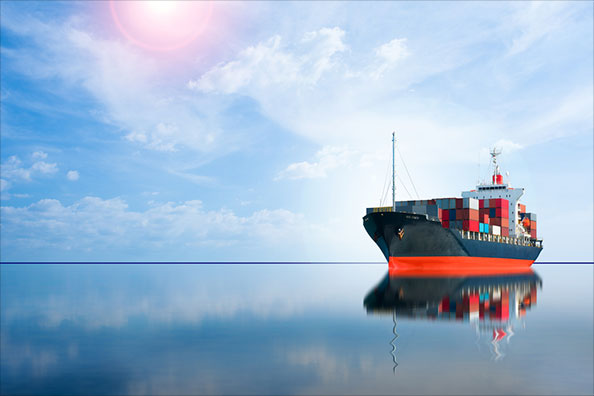
India is witnessing a remarkable transformation in its maritime sector as Indian coastal
shipping gains momentum as a cost-effective, sustainable, and efficient mode of cargo
transportation. With increasing government investment in port modernization, digital
infrastructure, and green initiatives, the country's coastline is becoming a key driver of
economic growth and supply chain efficiency. In 2026, innovations such as green
shipping corridors India, digital ports, and advanced logistics technologies are
reshaping how cargo moves across the nation.
As industries seek faster and more sustainable transportation options, coastal logistics
India is emerging as a strategic solution that complements road and rail networks while
reducing congestion and logistics costs.
The Rising Importance of Indian Coastal Shipping
Stretching over 7,500 kilometers, India's coastline offers immense potential for domestic
coastal shipping. Transporting cargo by sea is significantly more fuel-efficient than road
transport, making it an attractive option for bulk commodities, containerized freight,
automobiles, cement, steel, fertilizers, and consumer goods.
Today, businesses are increasingly relying on coastal cargo services India to move
goods between major ports and industrial hubs. These services reduce transit costs,
improve delivery reliability, and strengthen the country's coastal supply chain by
offering dependable alternatives to overcrowded highways.
Green Shipping Corridors Driving Sustainable Growth
One of the biggest developments in coastal shipping trends 2026 is the establishment
of green shipping corridors India. These dedicated maritime routes promote
environmentally friendly shipping practices by encouraging cleaner fuels, energy-efficient
vessels, and lower carbon emissions.
As businesses prioritize sustainability, sustainable shipping India is becoming a major
focus for both government agencies and private logistics providers. Green corridors
support the adoption of alternative fuels, shore power facilities, and energy-efficient
vessel designs, helping reduce the environmental impact of cargo transportation.
By embracing sustainable maritime practices, India is moving closer to achieving its
climate commitments while strengthening the competitiveness of its shipping industry.
Digital Ports Enhancing Operational Efficiency
The modernization of digital ports is transforming cargo handling and vessel
management across the country. Smart technologies such as Artificial Intelligence (AI),
the Internet of Things (IoT), blockchain, and cloud-based platforms are streamlining port
operations and improving transparency.
Modern smart ports India now offer:
Automated cargo handling systems
Real-time vessel tracking
Digital documentation and customs clearance
AI-driven berth planning
Predictive maintenance for port equipment
Faster cargo processing and turnaround times
These innovations improve port logistics services, reduce operational delays, and
enable seamless coordination between ports, shipping companies, customs authorities,
and logistics providers.
Strengthening Port Connectivity Across India
Efficient port connectivity India is essential for maximizing the benefits of coastal
shipping. Government initiatives continue to improve road, rail, inland waterways, and
port infrastructure to facilitate smooth cargo movement between ports and inland
industrial centers.
Improved connectivity allows businesses to integrate multimodal logistics India,
combining sea, road, rail, and inland waterways into a unified transportation network.
This approach reduces logistics costs, shortens delivery times, and improves supply
chain resilience.
The integration of multiple transportation modes is especially valuable for manufacturers
and exporters seeking flexible and efficient distribution networks.
Maritime Logistics Supporting Supply Chain Growth
Modern maritime logistics plays a critical role in supporting India's expanding
manufacturing, e-commerce, and export sectors. Coastal shipping provides reliable
movement of raw materials and finished products while reducing dependency on long-
haul trucking.
Advanced shipping logistics solutions enable businesses to optimize routing, monitor
cargo in real time, and improve inventory planning. With digital platforms providing
complete visibility across shipments, organizations can make faster decisions and
improve customer service.
As logistics operations become increasingly data-driven, maritime transportation
continues to strengthen India's overall supply chain ecosystem.
Coastal Freight Services and Cargo Vessel Operations
Growing demand for coastal freight services has encouraged shipping companies to
expand their fleet and improve operational efficiency. Modern cargo vessel services
now support scheduled routes between major ports, ensuring timely deliveries for
businesses across multiple industries.
Efficient vessel operations India rely on digital navigation systems, predictive
maintenance, and automated scheduling to maximize fleet utilization while minimizing
operational costs. These technological advancements contribute to safer, faster, and
more reliable coastal freight transport.
As demand continues to grow, shipping operators are investing in newer vessels
equipped with fuel-efficient technologies and advanced cargo management systems.
The Future of Coastal Cargo Movement
The future of coastal cargo movement lies in greater digital integration, sustainability,
and infrastructure development. Smart analytics, AI-powered logistics platforms, and
real-time cargo monitoring are enabling businesses to improve shipment visibility and
operational efficiency.
Government initiatives promoting marine transportation India continue to encourage
private investment in ports, vessels, and logistics infrastructure. These efforts are
expected to further strengthen coastal transportation services and support increased
cargo volumes over the coming years.
Enhanced coastal trade routes will also improve regional trade connectivity, creating
new opportunities for businesses while reducing pressure on road and rail networks.
Why Businesses Are Choosing Coastal Shipping
Organizations across industries are increasingly adopting coastal shipping due to its
numerous operational and environmental advantages, including:
Lower transportation costs
Reduced fuel consumption
Improved supply chain reliability
Better environmental sustainability
Enhanced port connectivity India
Greater flexibility through multimodal logistics India
Faster and more predictable deliveries
Scalable shipping logistics solutions
Efficient port logistics services
These benefits make coastal shipping an attractive choice for companies seeking long-
term logistics efficiency and sustainable growth.
Conclusion
India's maritime sector is entering a new era where Indian coastal shipping, digital
ports, and green shipping corridors India are transforming cargo transportation.
Supported by modern infrastructure, intelligent technologies, and sustainable practices,
the industry is becoming faster, smarter, and more environmentally responsible.
As coastal shipping trends 2026 continue to evolve, businesses that leverage coastal
cargo services India, maritime transport services, coastal freight transport, and
integrated shipping logistics solutions will be better positioned to reduce costs,
strengthen supply chain resilience, and meet growing customer expectations. The
continued advancement of the Indian maritime industry will play a pivotal role in
shaping the future of logistics and economic growth across the country.