
 Pay Online

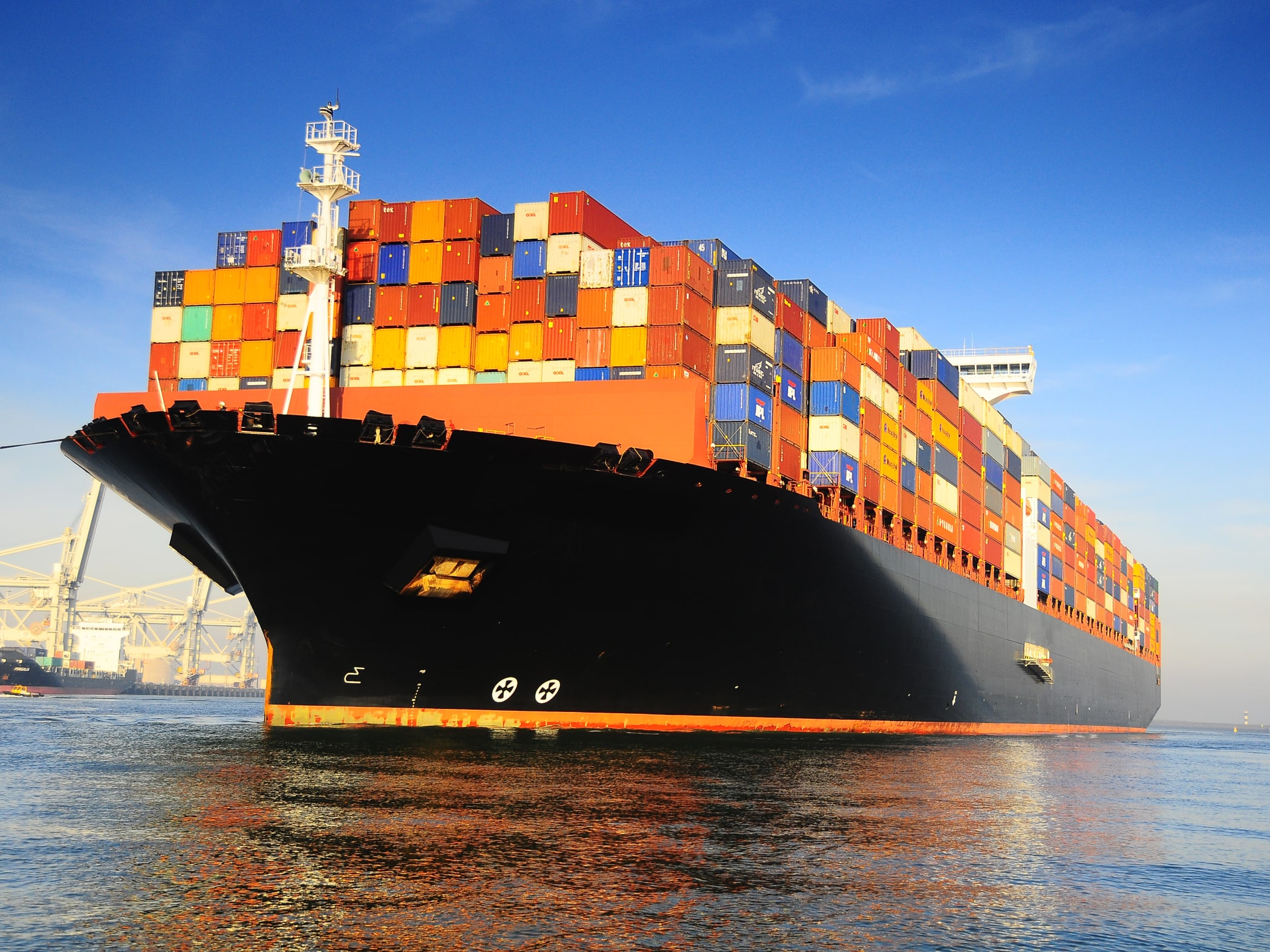
As global supply chains become more complex, businesses need greater visibility, faster
decision-making, and improved operational efficiency. In 2026, contract logistics is
evolving rapidly with the adoption of artificial intelligence, enabling companies to manage
inventory, transportation, and warehousing through intelligent control towers. These AI-
driven platforms are transforming traditional logistics into connected, data-driven
operations that deliver real-time insights and proactive decision-making.
What Is an AI-Powered Logistics Control Tower?
A logistics control tower is a centralized digital platform that provides complete visibility
across the supply chain by integrating data from suppliers, warehouses, transportation
providers, and customers. When enhanced with artificial intelligence, it becomes an
intelligent command center capable of monitoring operations in real time, predicting
disruptions, and recommending optimal actions.
Unlike conventional systems that rely on historical reports, AI-powered logistics
solutions continuously analyze live data to improve responsiveness and efficiency across
the digital supply chain.
Enhancing Supply Chain Visibility
One of the greatest advantages of AI-enabled control towers is improved supply chain
visibility. Businesses can monitor shipments, warehouse operations, inventory levels,
and transportation networks from a single dashboard.
With real-time supply chain tracking, logistics managers can quickly identify delays,
bottlenecks, or inventory shortages before they affect customers. This level of visibility
enables faster decisions, better coordination, and improved customer satisfaction.
Real-time monitoring also strengthens inventory visibility, allowing businesses to
maintain optimal stock levels while reducing excess inventory and stockouts.
AI in Contract Logistics: From Reactive to Predictive
Traditional logistics operations often react to issues after they occur. Today, AI in
contract logistics enables predictive decision-making by analyzing historical data,
weather conditions, market demand, transportation schedules, and supplier
performance.
Through predictive logistics, AI can forecast shipment delays, demand fluctuations,
and warehouse capacity issues before they become critical. This allows businesses to
reroute shipments, adjust inventory, or allocate resources proactively, minimizing
disruptions and reducing operational costs.
Predictive capabilities also help organizations improve service reliability and build more
resilient supply chains.
Smart Warehousing and Logistics Automation
Modern warehouses are becoming smarter with AI, robotics, and IoT technologies.
Smart warehousing integrates automated storage systems, intelligent picking solutions,
and AI-driven inventory management to improve speed and accuracy.
Combined with warehouse automation, businesses can reduce manual tasks, minimize
picking errors, and increase order fulfillment speed. Automated systems also optimize
warehouse layouts, recommend ideal storage locations, and schedule replenishment
activities based on real-time demand.
These advancements enhance contract warehousing operations while supporting
faster and more accurate fulfillment services.
Smarter Transportation Management
Efficient transportation management is another area benefiting from AI-powered
control towers. AI continuously evaluates traffic conditions, fuel costs, delivery
schedules, and carrier performance to identify the most efficient shipping routes.
When unexpected disruptions occur, the system can automatically recommend alternate
routes, assign different carriers, or adjust delivery schedules. This improves logistics
optimization, reduces transportation costs, and ensures timely deliveries.
Integrated transportation planning also supports sustainability by minimizing fuel
consumption and reducing carbon emissions.
AI-Powered Supply Chain Analytics
Data has become one of the most valuable assets in logistics. Advanced supply chain
analytics helps businesses convert operational data into actionable insights.
AI-powered dashboards provide real-time performance metrics such as order accuracy,
warehouse productivity, inventory turnover, transportation efficiency, and delivery
performance. These insights allow organizations to identify trends, improve forecasting,
and make informed strategic decisions.
By leveraging analytics, businesses can continuously improve operations while
responding quickly to changing market demands.
The Role of Third-Party Logistics Providers
Leading third party logistics (3PL services) providers are increasingly adopting AI
technologies to deliver better customer experiences. Intelligent control towers allow 3PL
companies to offer greater transparency, faster response times, and improved
operational efficiency.
Customers benefit from complete shipment visibility, proactive notifications, optimized
inventory management, and faster order fulfillment without investing in their own logistics
infrastructure. This makes AI-enabled contract logistics solutions highly attractive for
businesses seeking scalable supply chain support.
Logistics Trends 2026 Driving Innovation
Several emerging logistics trends 2026 are accelerating AI adoption across the
industry:
Increased use of AI-driven demand forecasting.
Expansion of autonomous warehouse technologies.
Greater adoption of IoT-enabled asset tracking.
Enhanced sustainability through optimized transportation planning.
Wider implementation of cloud-based digital supply chain platforms.
These innovations are redefining logistics innovation by improving efficiency, reducing
costs, and enhancing customer satisfaction.
Why Businesses Are Investing in Intelligent Logistics
Organizations implementing AI supply chain management solutions are seeing
measurable business benefits, including:
Improved supply chain visibility
Enhanced inventory visibility
Faster decision-making
Reduced transportation costs
Higher warehouse productivity
Better customer service
Greater operational resilience
Improved logistics optimization
Scalable end-to-end logistics solutions
These advantages make intelligent logistics a key competitive differentiator in today's
fast-moving business environment.
Conclusion
The future of contract logistics lies in intelligent, AI-powered operations that provide
complete visibility and real-time control across the supply chain. From smart
warehousing and warehouse automation to transportation management, predictive
logistics, and advanced supply chain analytics, AI is helping businesses create more
agile, efficient, and resilient logistics networks.
As logistics technology 2026 continues to evolve, organizations that embrace AI-
powered logistics and invest in modern 3PL services will be better positioned to
streamline operations, reduce costs, and deliver exceptional customer experiences. By
adopting AI-driven end-to-end logistics solutions, businesses can confidently navigate
future supply chain challenges while staying ahead in an increasingly competitive global
marketplace.