
 Pay Online

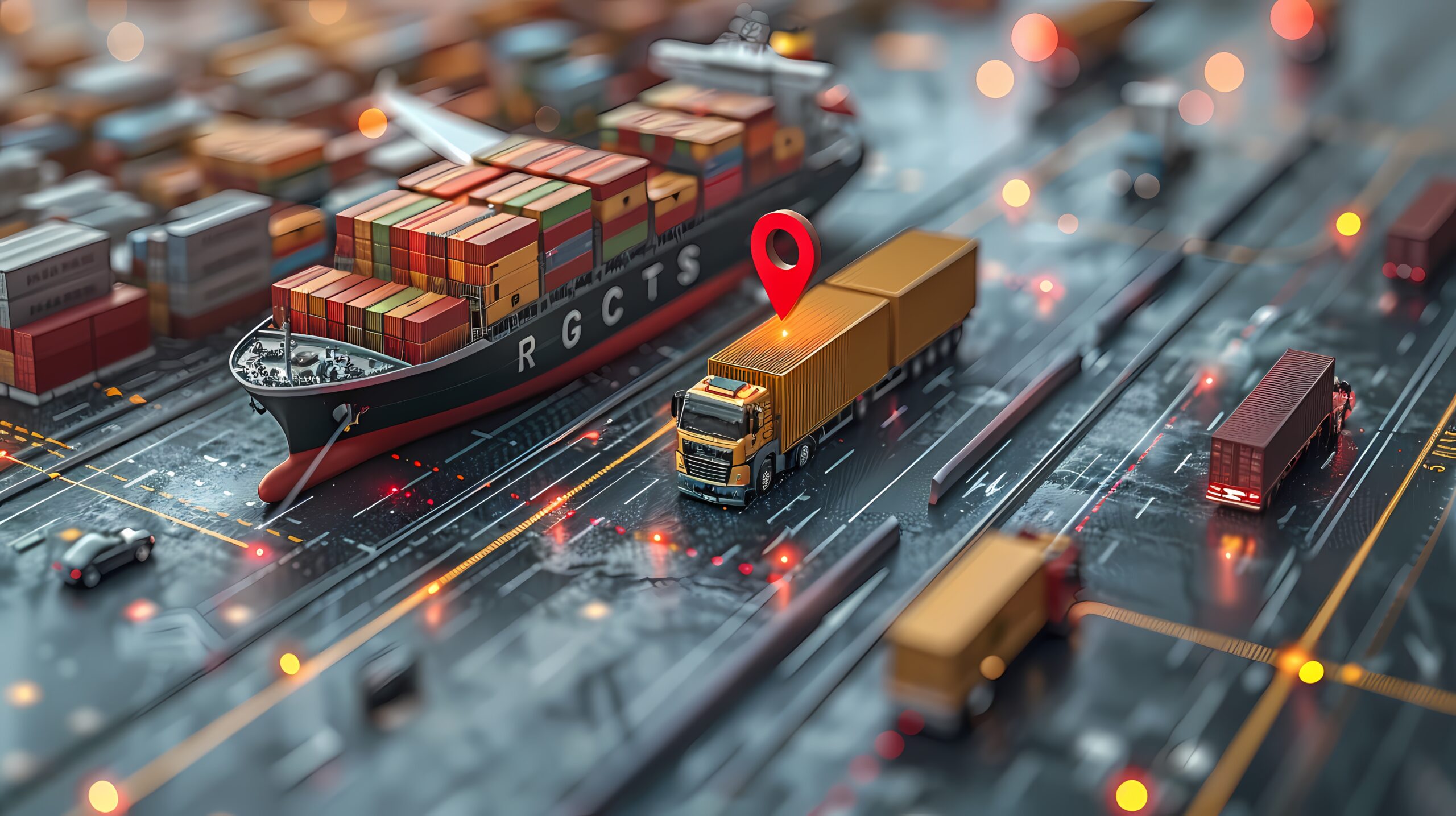
The global shipping industry is undergoing a major transformation in April 2026, driven by rapid digitalization, changing trade patterns, and evolving customer expectations. At the center of this shift is sea freight forwarding services, which are becoming more agile, transparent, and technology-driven than ever before.
As businesses adapt to new market realities, digital freight forwarding 2026 is emerging as a key enabler of efficiency, cost control, and supply chain resilience. Combined with evolving global shipping trends April 2026, the industry is redefining how goods move across borders.
The Evolution of Sea Freight Forwarding Services
Traditionally, sea freight forwarding services involved complex paperwork, manual coordination, and limited visibility. However, in 2026, the industry has embraced digital transformation, making processes faster and more reliable.
Modern freight forwarders now offer integrated solutions that include booking, documentation, tracking, customs clearance, and last-mile delivery. These end-to-end ocean freight logistics solutions are helping businesses streamline operations and reduce inefficiencies.
With growing global trade complexity, forwarders are no longer just intermediaries—they are strategic partners managing entire logistics ecosystems.
Digital Freight Forwarding 2026: The Game Changer
The rise of digital freight forwarding 2026 is one of the most significant developments in the logistics sector. Digital platforms are replacing traditional systems, offering real-time visibility, automated workflows, and data-driven decision-making.
Key Features of Digital Freight Forwarding:
1. Real-Time Tracking
Businesses can monitor shipments at every stage, improving transparency and customer confidence.
2. Automated Documentation
Digital documentation reduces errors, speeds up customs clearance, and eliminates paperwork delays.
3. Instant Pricing and Booking
Online platforms provide quick quotes and booking options, simplifying logistics planning.
4. Data Analytics and Forecasting
Advanced analytics help predict demand, optimize routes, and manage risks effectively.
These capabilities are transforming how companies approach international cargo forwarding, making logistics more predictable and efficient.
Global Shipping Trends in April 2026
Several global shipping trends April 2026 are shaping the future of sea freight forwarding.
1. Shift Toward Regional Supply Chains
Companies are diversifying sourcing strategies, reducing dependence on single markets, and strengthening regional trade routes.
2. Increased Demand for Flexibility
Businesses prefer smaller, frequent shipments rather than bulk orders, aligning with modern inventory strategies.
3. Sustainability Focus
Shipping companies are adopting eco-friendly practices, including fuel-efficient vessels and carbon tracking systems.
4. Port Automation and Smart Infrastructure
Ports worldwide are integrating automation and digital systems to reduce congestion and improve turnaround times.
These trends are influencing how ocean freight logistics solutions are designed and delivered.
Freight Rate Trends 2026: What Businesses Need to Know
Understanding freight rate trends 2026 is crucial for effective logistics planning.
In April 2026, freight rates are stabilizing after years of volatility but remain influenced by several factors:
• Fluctuating fuel prices
• Geopolitical developments
• Port congestion in key regions
• Seasonal demand variations
Digital platforms are helping businesses compare rates in real time, enabling better decision-making. Additionally, long-term contracts and flexible shipping strategies are becoming more common as companies seek cost stability.
For businesses engaged in international cargo forwarding, staying informed about rate trends is essential to maintaining profitability.
Smart Shipping Technology Driving Efficiency
The adoption of smart shipping technology is revolutionizing sea freight operations.
1. Internet of Things (IoT)
IoT-enabled sensors provide real-time data on cargo conditions, including temperature, humidity, and location.
2. Artificial Intelligence (AI)
AI is optimizing route planning, demand forecasting, and container utilization.
3. Blockchain Technology
Blockchain ensures secure and transparent documentation, reducing fraud and delays.
4. Digital Twins and Simulation
Advanced simulations help logistics providers test scenarios and improve operational efficiency.
These technologies are making sea freight forwarding services faster, safer, and more reliable.
Enhancing Ocean Freight Logistics Solutions
Modern ocean freight logistics solutions are designed to address the challenges of global trade in 2026.
Freight forwarders now offer customized services tailored to specific industries, such as retail, manufacturing, and pharmaceuticals. These solutions include multimodal transport integration, warehousing, and supply chain optimization.
By combining digital tools with industry expertise, forwarders are helping businesses achieve greater efficiency and resilience.
The Role of International Cargo Forwarding
International cargo forwarding is becoming increasingly strategic as global trade expands.
Forwarders are managing complex logistics networks, ensuring compliance with international regulations, and mitigating risks associated with cross-border shipping. Their role now extends beyond transportation to include supply chain consulting and optimization.
For businesses, partnering with experienced forwarders is critical to navigating the complexities of global logistics.
Challenges in Sea Freight Forwarding
Despite advancements, the industry still faces challenges:
• Cybersecurity risks in digital systems
• Infrastructure gaps in developing regions
• Regulatory complexities across countries
• Environmental concerns and compliance requirements
Addressing these issues will be key to sustaining growth in the sector.
The Future of Sea Freight Forwarding
Looking ahead, the future of sea freight forwarding services will be shaped by innovation, collaboration, and sustainability.
Digital platforms will continue to evolve, offering greater integration and automation. Smart shipping technology will enhance efficiency, while global trade shifts will create new opportunities and challenges.
Businesses that embrace digital freight forwarding 2026 and adapt to changing global shipping trends April 2026 will be better positioned to succeed in a competitive market.
Conclusion
Sea freight forwarding in April 2026 is defined by transformation. With the rise of digital freight forwarding 2026, evolving freight rate trends 2026, and the adoption of smart shipping technology, the industry is becoming more efficient and responsive.
From advanced ocean freight logistics solutions to strategic international cargo forwarding, businesses now have access to tools and services that enhance performance and reduce costs.
As global trade continues to evolve, sea freight forwarding will remain a critical pillar of the logistics ecosystem—driving growth, enabling connectivity, and redefining shipping efficiency in the modern world.