
 Pay Online

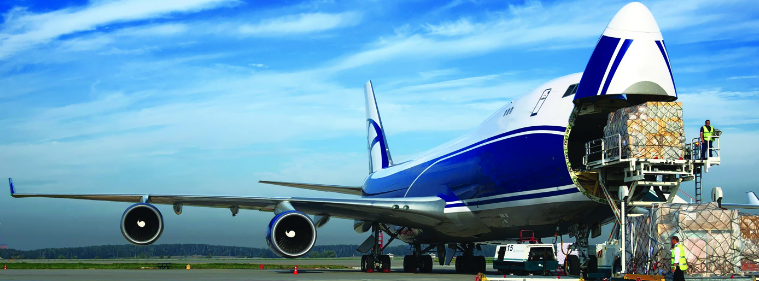
The global e-commerce market is expanding at unprecedented speed, with consumers demanding quicker deliveries, real-time tracking, and seamless shopping experiences. As we move into 2026, one logistics segment is becoming more crucial than ever: air freight. The rise of e-commerce air cargo, fueled by the need for fast delivery and reliable express logistics, is transforming the way goods move across continents.
From fashion and electronics to pharma and perishables, more online retailers are turning to air transport to meet customer expectations. Here’s how air freight is shaping the e-commerce boom in 2026—and why it matters.
1. E-Commerce Growth Is Fueling Demand for Air Cargo
Online shopping is no longer limited to domestic markets. Consumers now order globally with the expectation of 24–72 hour delivery windows. As a result, retailers increasingly rely on e-commerce air cargo to reduce transit times and avoid delays.
Key factors driving this shift include:
Expansion of global marketplaces
Growing cross-border purchases
Rising demand for same-day and next-day delivery
Seasonal e-commerce spikes (Black Friday, Singles’ Day, Ramadan sales)
Air freight provides the speed and reliability needed to support this high-velocity ecosystem, making it vital for e-commerce logistics in 2026.
2. Fast Delivery Is the New Competitive Advantage
In today’s competitive e-commerce environment, fast delivery is no longer a premium service—it’s a customer expectation. Shorter delivery windows directly influence purchase decisions, cart conversions, and brand loyalty.
Air freight enables:
Rapid replenishment of warehouse inventory
Quick order fulfillment for urgent and high-value items
Shorter delivery times for international customers
On-time delivery for promotional campaigns
Retailers who depend solely on ocean or road freight risk losing customers to brands that can deliver faster with air cargo solutions.
3. Express Logistics Networks Are Expanding Globally
The rise of e-commerce has accelerated the growth of express logistics networks around the world. In 2026, carriers are expanding their infrastructure to handle bigger, faster, and more diverse parcel volumes.
Key developments include:
a. Dedicated E-Commerce Air Cargo Flights
Major airlines and cargo operators now run specialized routes designed for e-commerce shipments, offering increased frequency and dedicated belly space.
b. Automated Cargo Hubs
AI-enabled sorting centers speed up parcel movement, ensuring same-day or next-day delivery even in peak seasons.
c. Last-Mile Delivery Integration
Some air cargo providers now partner with last-mile couriers, offering seamless end-to-end express logistics.
d. Growth of Airport Fulfillment Centers
Warehouses located inside or around airports allow retailers to move goods quickly from aircraft to customers.
These developments are creating a smarter, faster, and more efficient global logistics network.
4. E-Commerce Products That Depend on Air Freight
Certain product categories rely heavily on e-commerce air cargo due to their sensitivity, high value, or customer expectations.
a. Electronics & Gadgets
High-value, lightweight, and frequently upgraded—making air freight the ideal mode.
b. Fashion & Apparel
Fast-moving trends require quick inventory turnover, especially for cross-border orders.
c. Pharmaceuticals & Health Products
Temperature-sensitive and time-critical shipments depend on air speed and cold-chain logistics.
d. Luxury Items
High-end goods rely on air cargo for security and premium delivery guarantees.
e. Perishables
Specialized air routes support fresh food, flowers, and gourmet products for global customers.
5. Technology Is Powering the Air Freight Transformation
Innovation is playing a crucial role in making air logistics faster, smarter, and more efficient in 2026.
a. AI and Predictive Demand Planning
Automated forecasting helps carriers prepare for demand spikes and optimize capacity.
b. Digital Air Waybills & Paperless Processing
Reduced paperwork means faster handling and fewer delays.
c. Robotics in Cargo Terminals
Machines sort parcels, load containers, and assist in warehouse automation.
d. Real-Time Tracking
Customers and retailers can track every stage of their shipment—from takeoff to delivery.
These technologies enhance visibility and operational efficiency, making air freight even more essential in the e-commerce era.
6. Sustainability Pressures Are Shaping the Future of Air Cargo
Even as air freight grows, sustainability remains a major focus. Airlines and logistics companies are investing in:
Fuel-efficient aircraft
Sustainable aviation fuel (SAF)
Carbon offset programs
Optimized flight paths
Lightweight ULDs (Unit Load Devices)
Eco-friendly strategies not only support carbon goals but also improve long-term operational efficiency.
7. How Businesses Can Leverage Air Freight in 2026
To fully benefit from the e-commerce boom, businesses must strategically integrate air logistics into their supply chains.
a. Choose Carriers With Strong E-Commerce Capabilities
Dedicated parcel handling, frequent flights, and digital tools are key.
b. Use Hybrid Shipping Models
Combine air, road, and warehouse solutions for balanced speed and cost.
c. Build Inventory in Airport Fulfillment Centers
Reduce time between aircraft landing and product dispatch.
d. Leverage End-to-End Express Logistics
Integrated air-to-door services improve speed and tracking accuracy.
Conclusion
As 2026 unfolds, air freight is becoming a cornerstone of global e-commerce growth. The combination of e-commerce air cargo, demand for fast delivery, and rapidly expanding express logistics networks is reshaping how brands fulfill customer expectations.
Companies that embrace air freight as a strategic tool will gain a major competitive advantage—offering speed, reliability, and global reach that today’s digital shoppers expect.