
 Pay Online

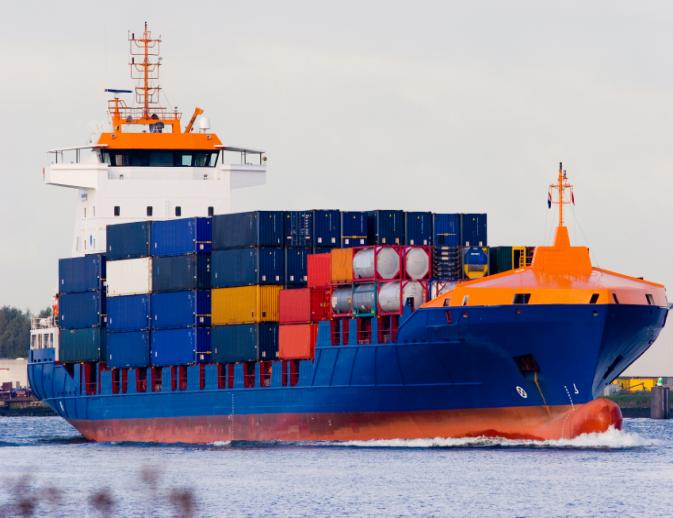
As global supply chains continue to evolve in 2026, businesses are moving away from rigid,
long-term logistics commitments toward more agile, technology-driven models. One of the most
significant shifts reshaping logistics today is the rapid rise of on-demand warehousing.
Designed for flexibility, speed, and cost efficiency, this model is redefining how companies store,
manage, and distribute inventory.
Driven by e-commerce growth, fluctuating demand, and the need for scalable logistics,
on-demand warehousing has become a strategic advantage rather than a backup solution.
What Is On-Demand Warehousing?
On-demand warehousing allows businesses to access warehouse space and fulfillment
services as needed, without long-term leases or fixed capacity commitments. Instead of
operating or renting a dedicated warehouse, companies use a network of third-party facilities
that offer space, labor, and technology on a pay-per-use basis.
This model enables flexible storage solutions that can expand or contract based on real-time
demand—perfect for today’s unpredictable market conditions.
Why On-Demand Warehousing Is Growing Rapidly in 2026
1. Demand Volatility Has Become the New Normal
Consumer demand is no longer stable or predictable. Seasonal peaks, flash sales, promotional
events, and market disruptions have made fixed warehouse capacity inefficient and risky.
Shared warehouse services allow businesses to:
● Scale storage up during peak periods
● Reduce space during slow seasons
● Avoid paying for unused capacity
This flexibility is a major reason behind the surge in on-demand warehousing adoption.
2. Cost Optimization Without Long-Term Commitments
Traditional warehouses require long leases, upfront investments, and fixed labor costs. In
contrast, on-demand models convert these fixed expenses into variable costs.
Benefits include:
● Lower capital expenditure
● Reduced operational risk
● Improved cash flow management
For startups, SMEs, and even large enterprises, flexible storage solutions offer a smarter way
to control logistics spending in 2026.
The Role of Technology in On-Demand Warehousing
3. Digital Platforms Power Scalable Logistics
Technology is the backbone of modern on-demand warehousing. Cloud-based platforms
connect shippers with available warehouse space, providing real-time visibility and control.
Key features include:
● Inventory tracking dashboards
● Automated order fulfillment
● Performance analytics
● API integration with ERP and e-commerce platforms
These systems enable truly scalable logistics, allowing businesses to respond instantly to
market changes.
4. Data-Driven Location Optimization
With on-demand warehousing networks, companies can position inventory closer to customers
without committing to permanent facilities.
This leads to:
● Faster delivery times
● Lower last-mile transportation costs
● Improved customer satisfaction
By using shared warehouse services across multiple regions, businesses can build distributed
fulfillment networks with minimal risk.
E-Commerce and the Acceleration of On-Demand
Warehousing
5. Supporting Faster Fulfillment Expectations
Same-day and next-day delivery have become standard expectations in many markets.
On-demand warehousing enables e-commerce brands to store inventory near high-demand
zones without owning warehouses in every location.
This model supports:
● Urban micro-fulfillment
● Rapid order processing
● Peak-season scalability
For online retailers, on-demand warehousing is no longer optional—it’s a competitive
necessity.
Shared Warehouse Services: A Smarter Use of Space
6. Maximizing Utilization Through Shared Infrastructure
Shared warehouse services allow multiple businesses to operate within the same facility,
sharing space, labor, and equipment. This improves utilization rates and reduces waste across
the logistics ecosystem.
Advantages include:
● Lower per-unit storage costs
● Access to skilled warehouse labor
● Reduced environmental impact
In 2026, this collaborative model aligns perfectly with both economic and sustainability goals.
Scalability for Growing and Global Businesses
7. Seamless Expansion Into New Markets
Expanding into new regions traditionally required heavy investment in infrastructure.
On-demand warehousing removes this barrier by offering instant access to ready-to-use
facilities.
Businesses can:
● Test new markets with minimal risk
● Scale operations region by region
● Exit underperforming markets quickly
This agility makes scalable logistics achievable for companies of all sizes.
Risk Reduction and Supply Chain Resilience
8. Building More Resilient Supply Chains
Disruptions—from port congestion to geopolitical events—have highlighted the need for
flexibility. On-demand warehousing helps businesses diversify inventory locations and reduce
dependency on single facilities.
This results in:
● Faster recovery from disruptions
● Reduced stock-out risks
● Improved service continuity
Flexible storage solutions are now a key pillar of supply chain resilience.
Who Benefits Most from On-Demand Warehousing?
On-demand warehousing is particularly valuable for:
● E-commerce and D2C brands
● Seasonal businesses
● Importers and exporters
● FMCG and retail companies
● Companies entering new markets
For these players, shared warehouse services provide speed, flexibility, and cost control
without long-term risk.
The Future of On-Demand Warehousing Beyond 2026
Looking ahead, the on-demand warehousing model will continue to evolve with:
● AI-driven demand forecasting
● Automated fulfillment and robotics
● Deeper integration with transportation networks
● Sustainability-focused warehouse design
As supply chains become more dynamic, on-demand warehousing will play a central role in
building truly scalable logistics ecosystems.
Final Thoughts
The rise of on-demand warehousing services in 2026 reflects a broader shift toward flexibility,
efficiency, and resilience in global logistics. By embracing flexible storage solutions and
shared warehouse services, businesses can reduce costs, improve service levels, and scale
operations with confidence.
In a world where change is constant, on-demand warehousing is no longer just an
alternative—it’s the future of scalable logistics.